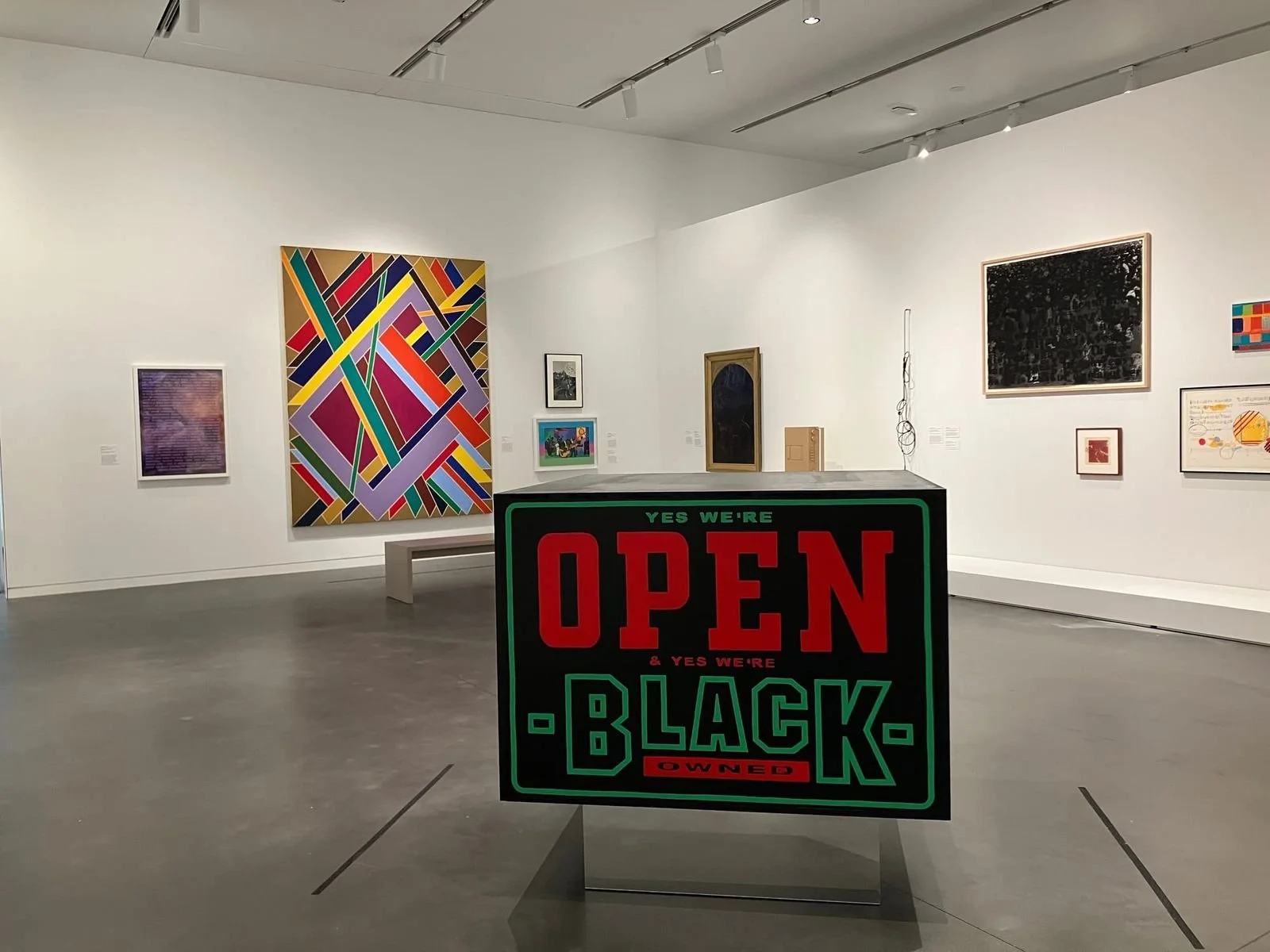
From the exhibition From Now: A Collection in Context at the Studio Museum in Harlem (photo Isa Farfan/Hyperallergic)
It’s not the Studio Museum in Harlem’s birthday but it must feel like it with a $2 million gift given to the organization on September 4th in light of pop sensation Beyoncé Knowles’ 45th birthday.
“Art tells all our stories; the past and the present, but is not always accessible to everyone. I have always been impressed with the Studio Museum in Harlem because of its intention to make the museum an integral part of the community. I have been introduced to several of my favorite young and upcoming Black artists through exhibits at the Museum. It is a place of inspiration where all audiences can discover new stories through the canvases of diverse storytellers that reflect our humanity,” stated Knowles in a press release
If you aren’t familiar with the work of the Studio Museum in Harlem, their mission is to be “the nexus for artists of African descent locally, nationally, and internationally and for work that has been inspired and influenced by Black culture. It is a site for the dynamic exchange of ideas about art and society.” Founded in 1968, the Museum reopened in a new building just last year November 2025 celebrating a revitalization and commitment to its mission and presence in Harlem on West 125th Street–a seven-floor, 82,000-square-foot building that raised more than $300 million strengthening its ability to provide educational programming and opportunities for all ages including their Artist-in-Residence program, as well as continue to diversify their audience and grow as an organization.
As the first art museum in the United States dedicated specifically to the work of artists of African descent and of Black culture, the Museum holds works in their permanent collection by Jean-Michel Basquiat, Faith Ringgold, James Van Der Zee, Kara Walker, and more.
On current display at the Museum you can find the Exhibits below:
Fade (closing today September 6th, 2026)
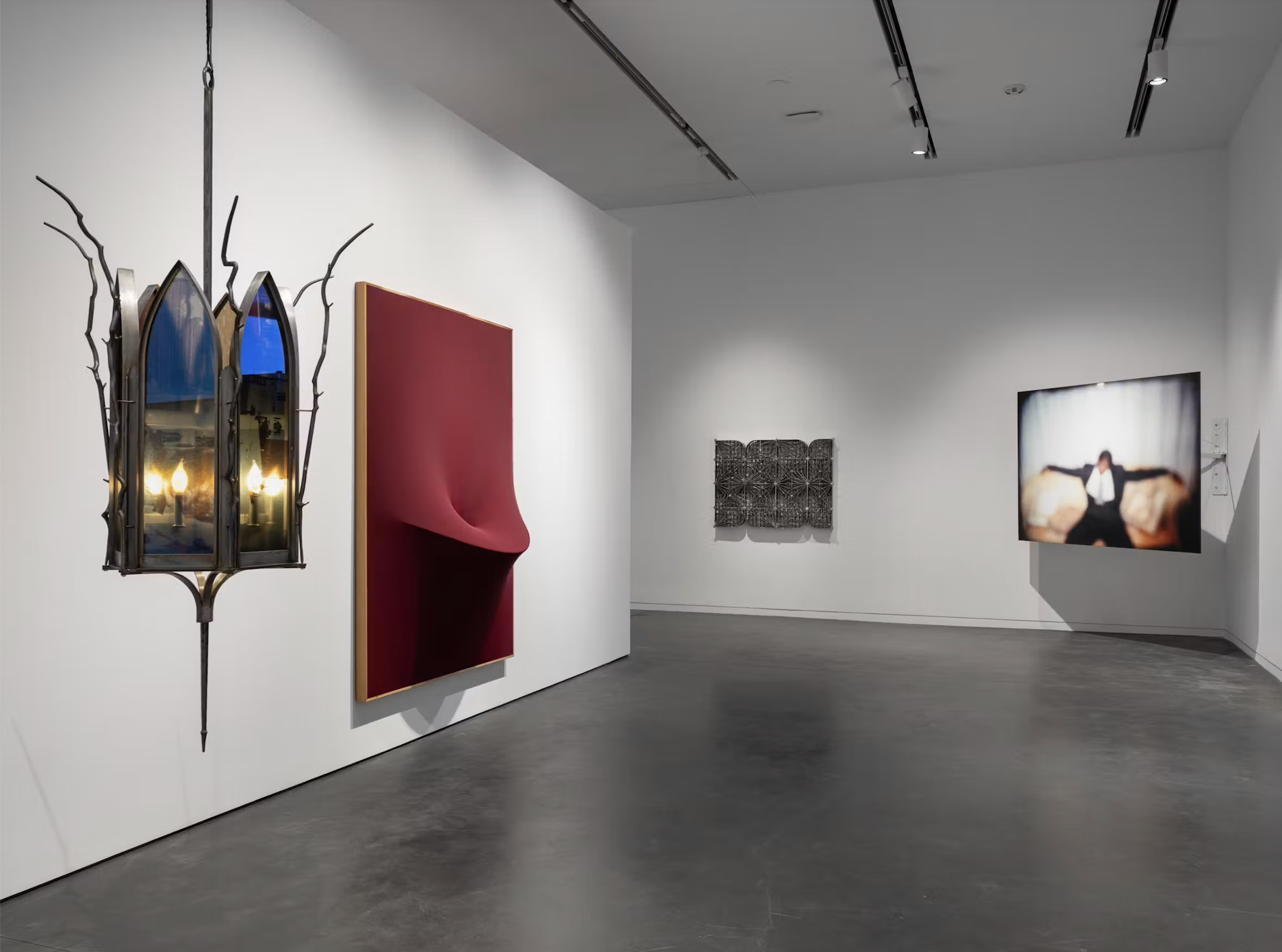
Fade (installation view), 2026. Photo: Kris Graves
“Working amid a turbulent era in US history shaped by widespread social and political change, the seventeen artists in Fade embrace spirituality, surrealism, and nonlinear conceptions of time to locate spaces of possibility.
The word “fade” carries many meanings: a cinematic transition, a type of haircut, or a skillful basketball move. “Fade” is both a departure and an adaptation, or something receding or slipping in and out of view. Here, “fade” becomes a framework for understanding how artists complicate the idea of determinacy by revisiting histories through abstracted forms, reshaping materials into unique compositions, and making work rooted in reverence and feeling.”
Dreams of the of This Future: The Collection of Peggy Cooper Cafritz (August 19, 2026–February 28, 2027)
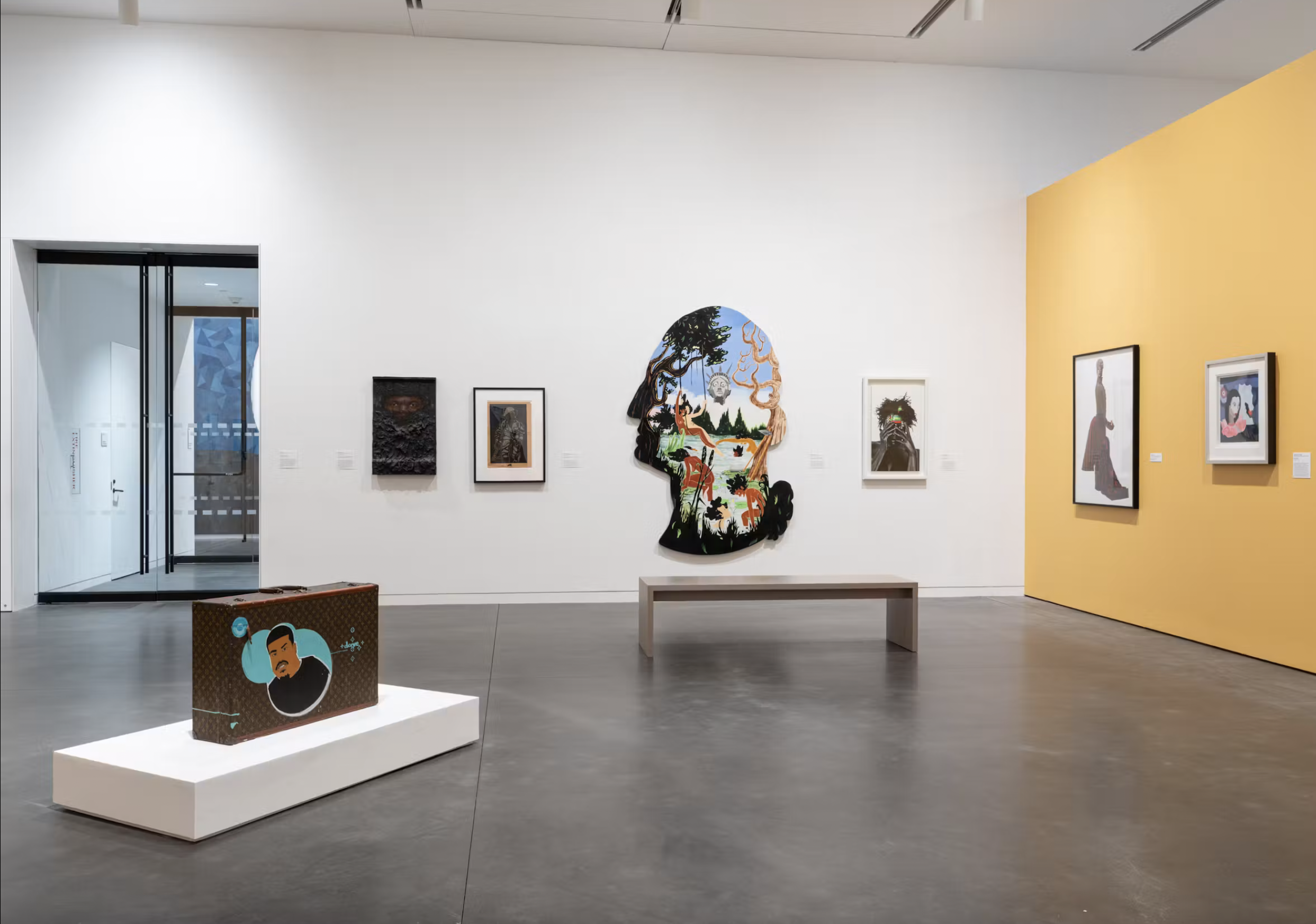
From the Studio Museum of Harlem website, Image of the exhibit for Dreams of the of This Future: The Collection of Peggy Cooper Cafritz
“This exhibition brings together a selection of works from a historic gift to the Studio Museum in Harlem by Peggy Cooper Cafritz (1947–2018) to celebrate her legacy as an advocate for the arts and her lifelong commitment to artists and their practices. An arts patron, educator, and civil rights activist, Cafritz bequeathed the majority of her art collection to the Studio Museum and the Duke Ellington School of the Arts, a public school in Washington, DC, which she cofounded in 1974. While the Museum has shown dozens of works from this collection in the years since receiving the gift, this exhibition is the first to tell a story of Cafritz as an art collector.”
Kapwani Kiwanga: BLEED (Through April 1, 2027)
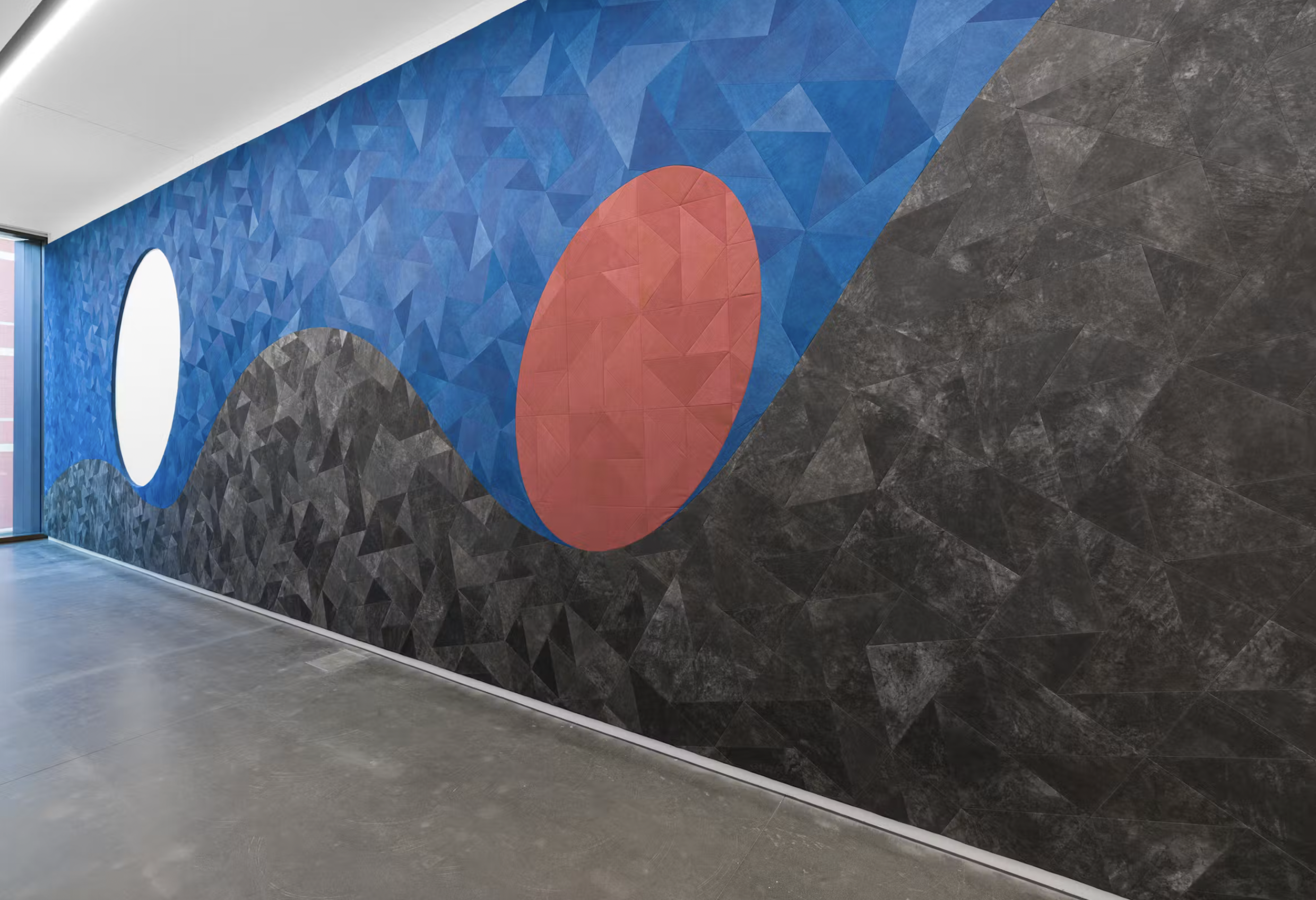
Kapwani Kiwanga: BLEED (installation view), 2026. Photo: Kris Graves
“BLEED is a new site-specific commission by French and Canadian artist Kapwani Kiwanga. Installed in the Museum’s second-floor project gallery and on view from March 11, 2026, until April 1, 2027, BLEED draws inspiration from quilting traditions and the symbolism embedded in their intricate designs.”
Tickets are on a pay-what-you-can basis with suggestions on value and free admission and family-centered programming to all visitors every Sunday for Studio Sundays.