The Power of Femininity, Opera, and Subversion With Founders Karina Camile Parker and Christina Swanson
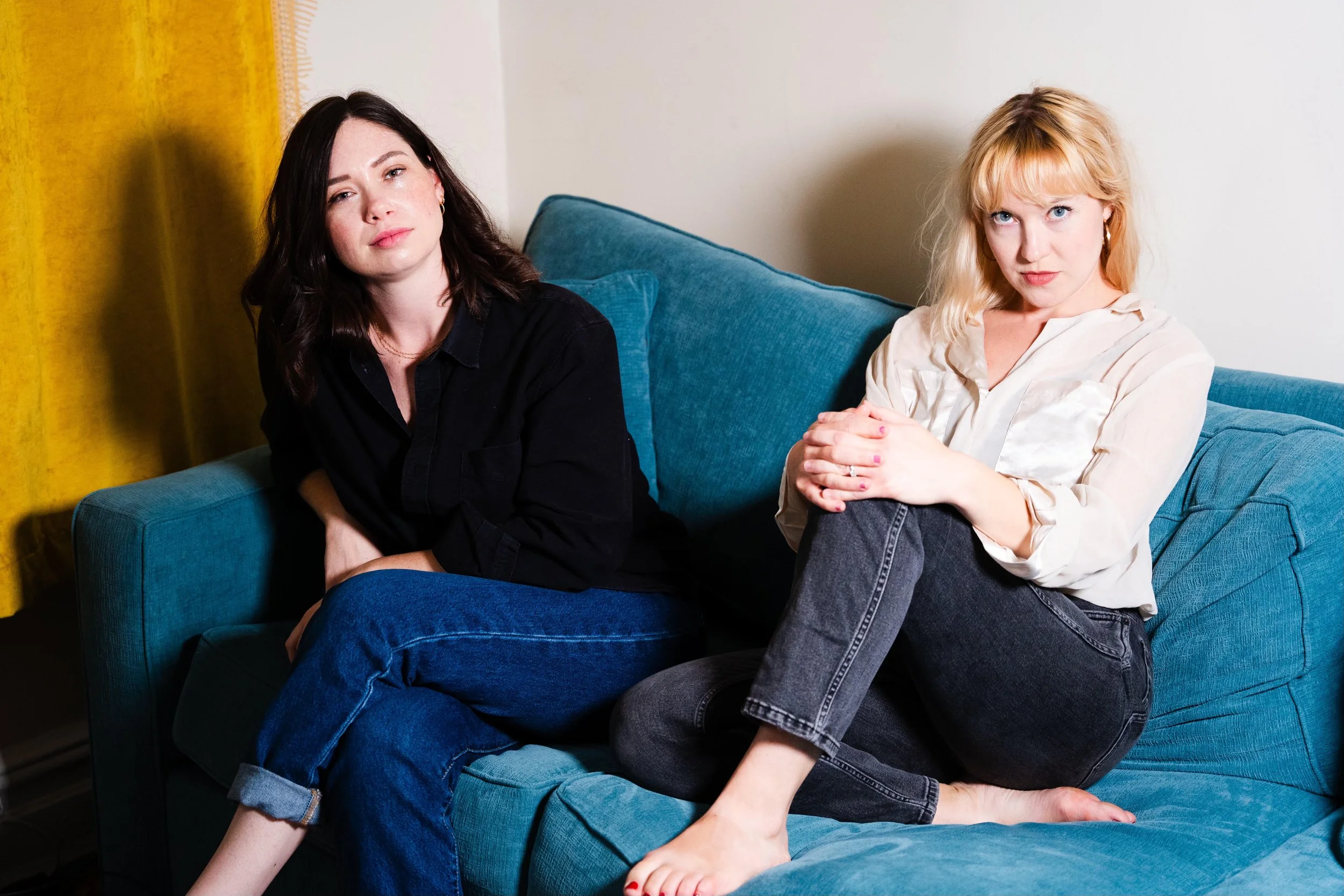
Photos Courtesy of Killer Queen Opera
Where did Killer Queen Opera stem from?
Killer Queen Opera stemmed from a desire for more artist-centered performing opportunities coupled with more innovative and intimate performances. After meeting in a choir, we received an invitation to a traditional “salon” at some random person’s apartment downtown. As New York transplants, our dreams of living the art life in the city were coming true. While there, soaking in music, refreshments, and conversation with an intimate group, we just kept saying to each other, “We got to get more people to events like this.” That sentiment–coupled with impatience and a healthy dose of delusion–was the birth of Killer Queen Opera.
A lot of people ask about our name. As with many things about Killer Queen, it was decided very organically during our first project, and we knew it would represent the rest of our work to come. It simultaneously evokes memories of women with powerful stories such as Queen Mary and Isabella, iconic and activist drag queens like Sylvia Rivera, and other non-women, queer, and feminist icons such as Freddie Mercury.
Freddie Mercury is seen as a rock icon, but he was an interdisciplinary artist who bent genres, thus creating his own genre and developing a new audience. That is really what we are trying to do with Killer Queen–develop a new audience for opera by blurring the confines of gender and aesthetic, and uplifting stories that have previously been dismissed. And then, of course, we have the namesake song, Killer Queen. It is such an embodiment of what we do, because it turns traditional femininity on its head, invoking both caricatures of femininity with images of gunpowder, dynamite, and laser beams. And that’s just who we are: Killer Queen Opera lives in the contradictions.
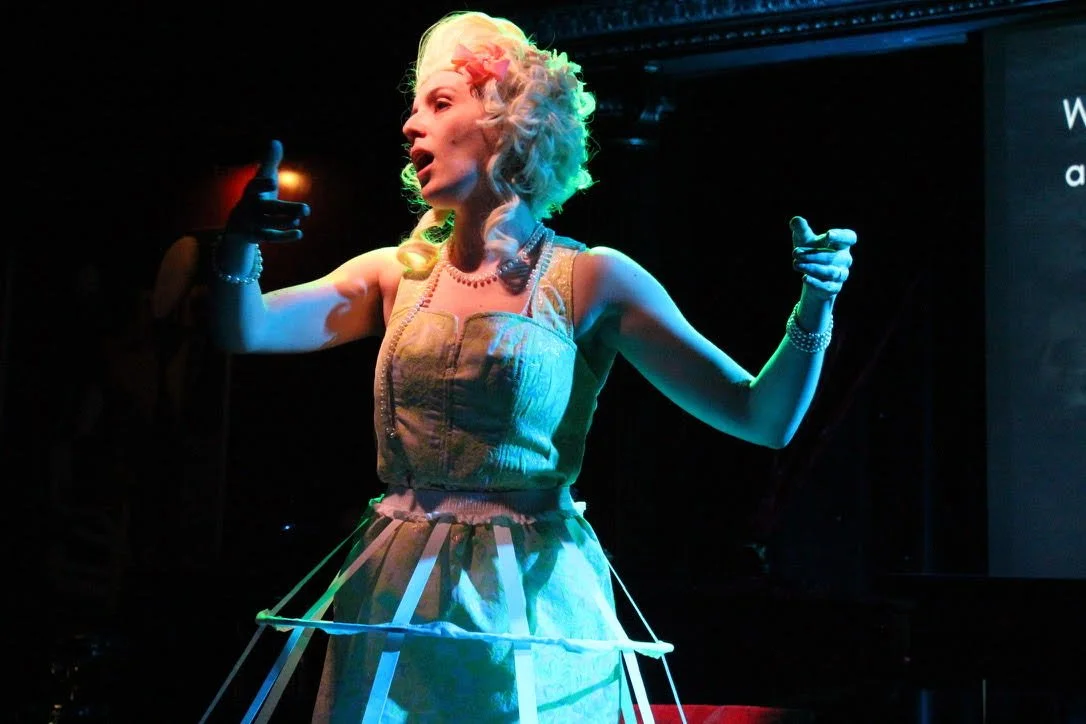
“And that’s just who we are: Killer Queen Opera lives in the contradictions.”
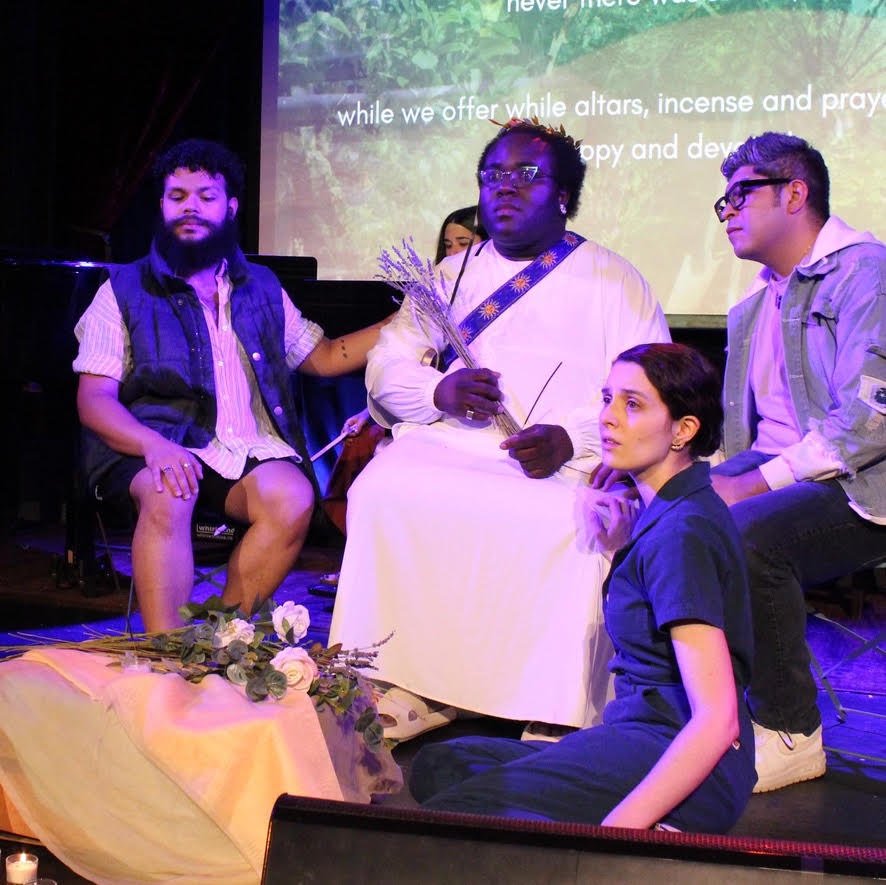
Queen can have many meanings as we see with the band, drag, royalty. What’s the meaning of “Queen” to you?
“Queen” is a historical term that means so many different things, has changed over time, and is claimed by so many different communities before and around us. While we define “Queen” in a specific way for our organization, it is important to us that we honor and remember the history of the term from historical, queer, and BIPOC communities. For this reason, to us killer “Queens” are any fems of the past, present, and future (fiction or non fiction) who are dedicated to the cause of uplifting the lives of women, fems, and underrepresented voices around them.
We are also interested in redefining a term that has capitalist and oppressive undertones and extracting that which is empowering. Language is living history. To subvert a term like queen and turn it on its head–it doesn’t mean ruler, but rather someone historically diminished who is empowered and thus empowers others–is impactful. It’s fitting for the vision we have for opera.
How does KQO fit into today’s world?
It’s easy to say that modern people don’t care about art, but that isn’t true. Folks are consuming art left, right, and center, from film to podcasts to TikTok. And yet, loneliness is an epidemic. KQO creates a pathway to community, and through community, people feel seen. Art can be commodified and consumed, or it can be participatory. KQO is art that is relevant to audiences in part because it requires them to create. It is an answer to loneliness, isolation, and a lack of inspiration.
KQO also speaks to the multitudes that each person holds within themselves. No one can be defined by a singular career, culture, or identity. KQO creates space for the nuance that at once renders us unique and unites us.
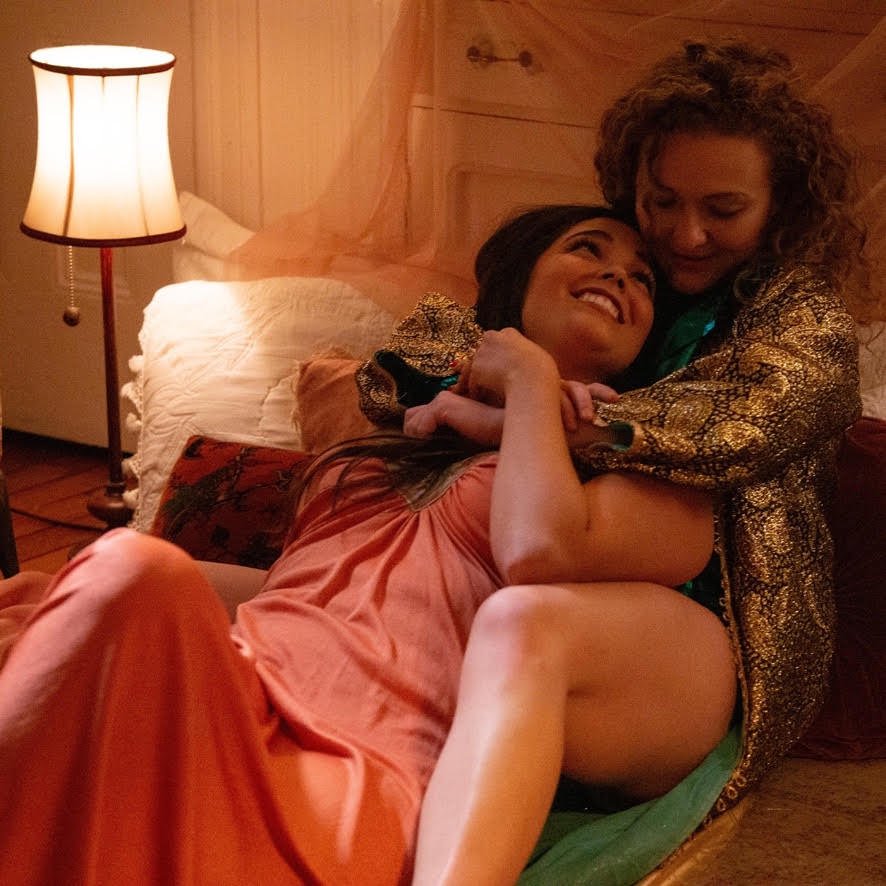
People have a lot of stereotypes of opera—how are you changing that?
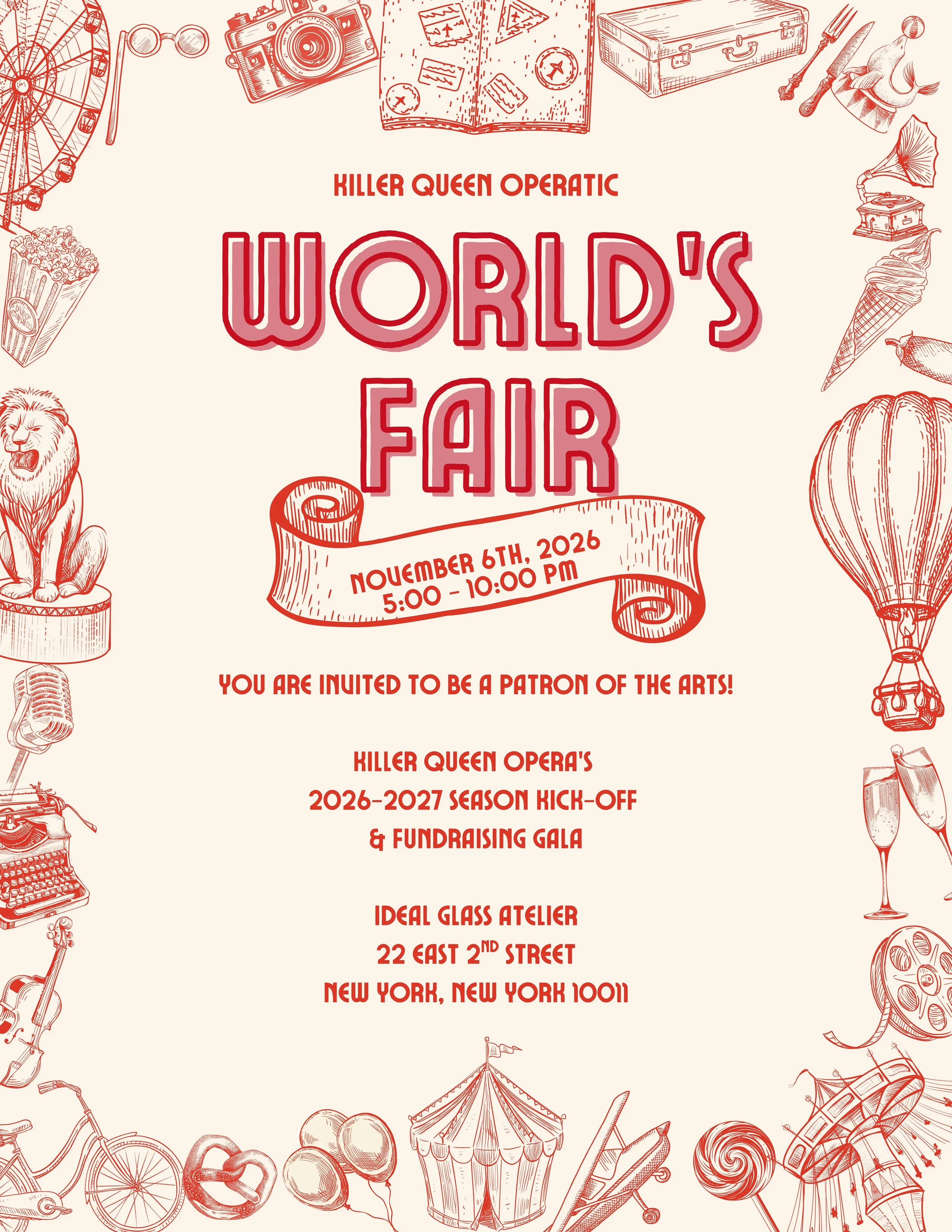
We hope to simultaneously bring opera from the past to the future and from the future to the past. We believe often these opposite time lines share wisdom. For instance, our next event, a fundraiser for our season, the Killer Queen Operatic World’s Fair, is a testament to the innovation and collaboration that came from 300 years of international expos. We pay homage to the vintage element of World’s Fairs of the past while threading in operatic innovation of the future. We blend history, culture, and genre to create an experience that is engaging, exciting, and unpretentious.
Someone like you or me might hear the word “gala” and go running for the hills thinking it’s only for the uber wealthy, but I know your gala isn’t like that. Tell us what is different about the World’s Fair?
We are so glad you brought this up. We think the same thing. Not only can we never afford them, let’s be real - they can be boring as hell. Not at Killer Queen Opera. We are talking about a full buffet, live sketch artists, a DJ, burlesque, and, of course, innovative opera. Opera’s earliest origins were interdisciplinary in nature, and our ethos dictates that engaging other artists and art forms is an historically informed way to keep opera cool. We think that is what “going to the opera” should be all about!
Can’t afford a ticket? Look out for RUSH TICKETS to be announced via our social media ONE DAY ONLY, Tuesday, 11/3 on instagram @killerqueenopera.
“Language is living history. To subvert a term like queen and turn it on its head–it doesn’t mean ruler, but rather someone historically diminished who is empowered and thus empowers others–is impactful. It’s fitting for the vision we have for opera.”
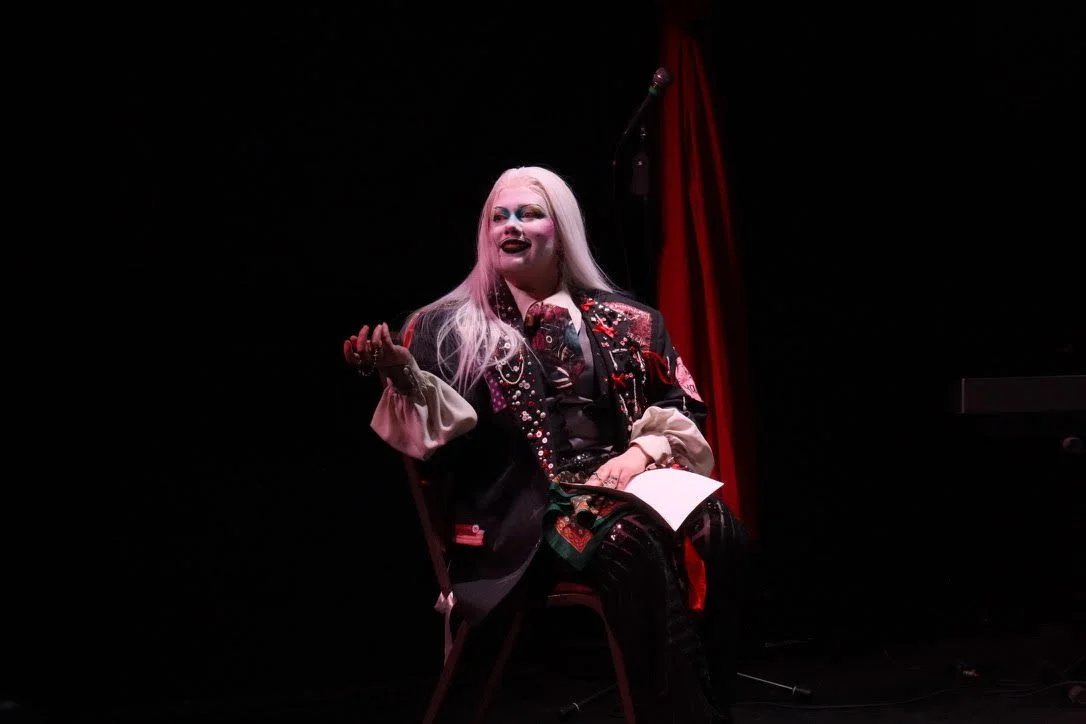
What is something at World’s Fair that might surprise someone seeing how an opera company is hosting it?
Without giving away too many surprises, we think audiences will be intrigued to see us push the limits of the operatic genre, blending film, projections, and live performance. Plus, we will be making very good usage of the beams on the ceiling…but some things are going to remain a surprise ;)
What moment are you looking forward to most with the World Fair?
We are DYING to see what everyone is going to wear! Obviously it’s important to us that everyone is comfortable during our events (aka bring those flip flops in your bag), but we know our community and we KNOW the fashion alone will be art itself!
To purchase tickets for Killer Queen Opera’s World’s Fair CLICK HERE
Interview: Karlye Whitt
Editor-in-Chief: Karlye Whitt