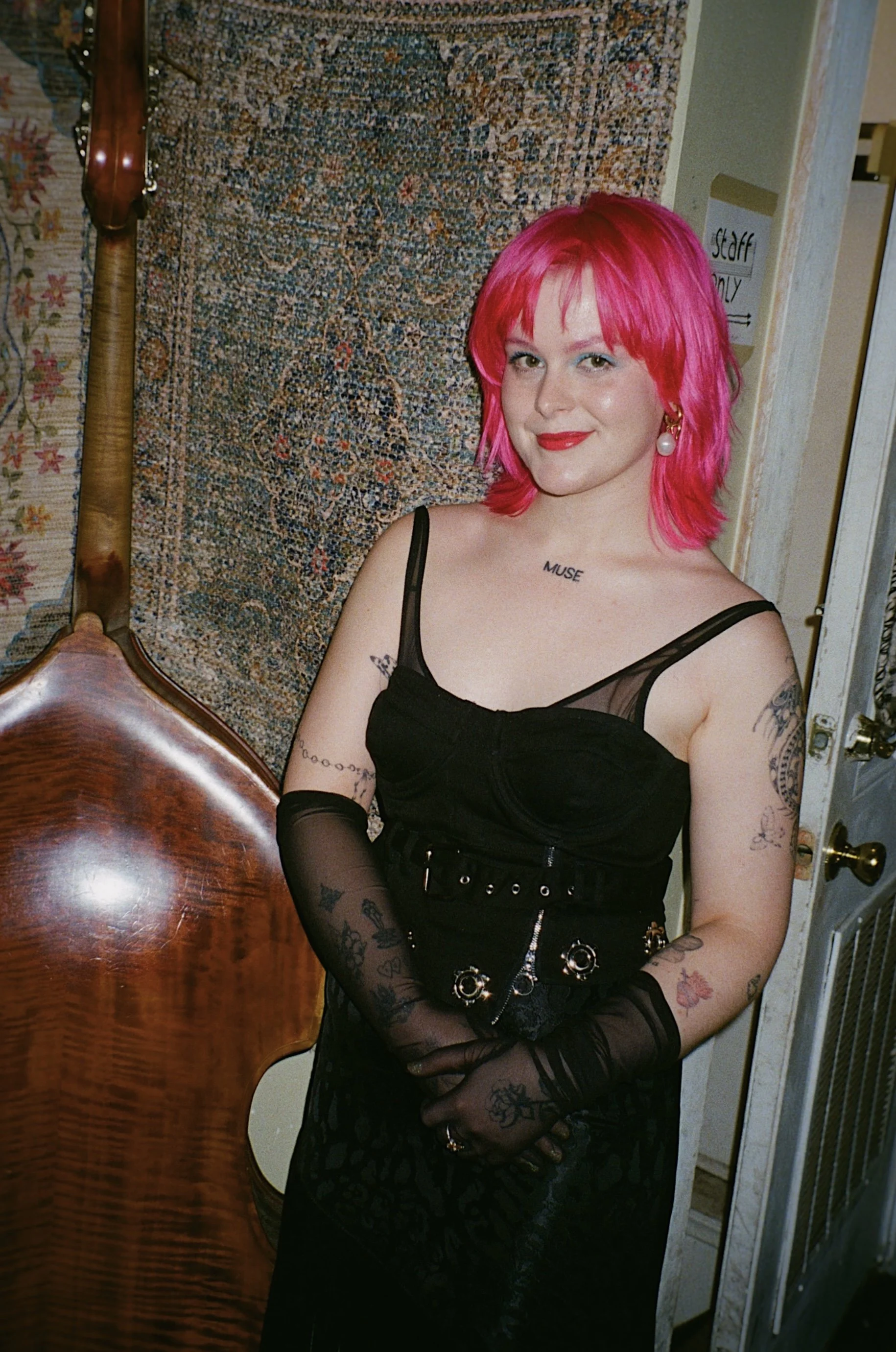
From busking in New Zealand to the chorus at the Met Opera, this soprano is ready to take control of her path.
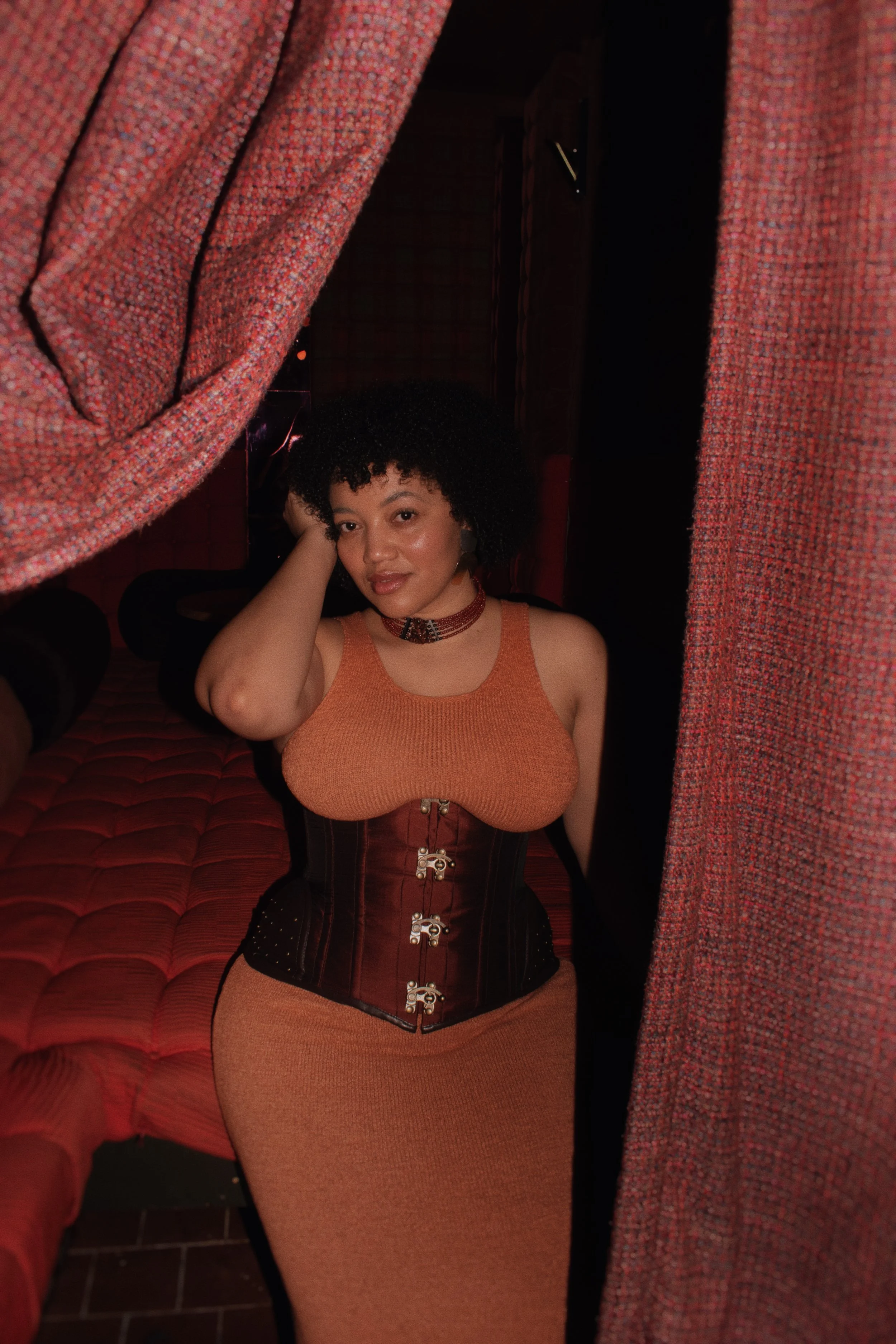
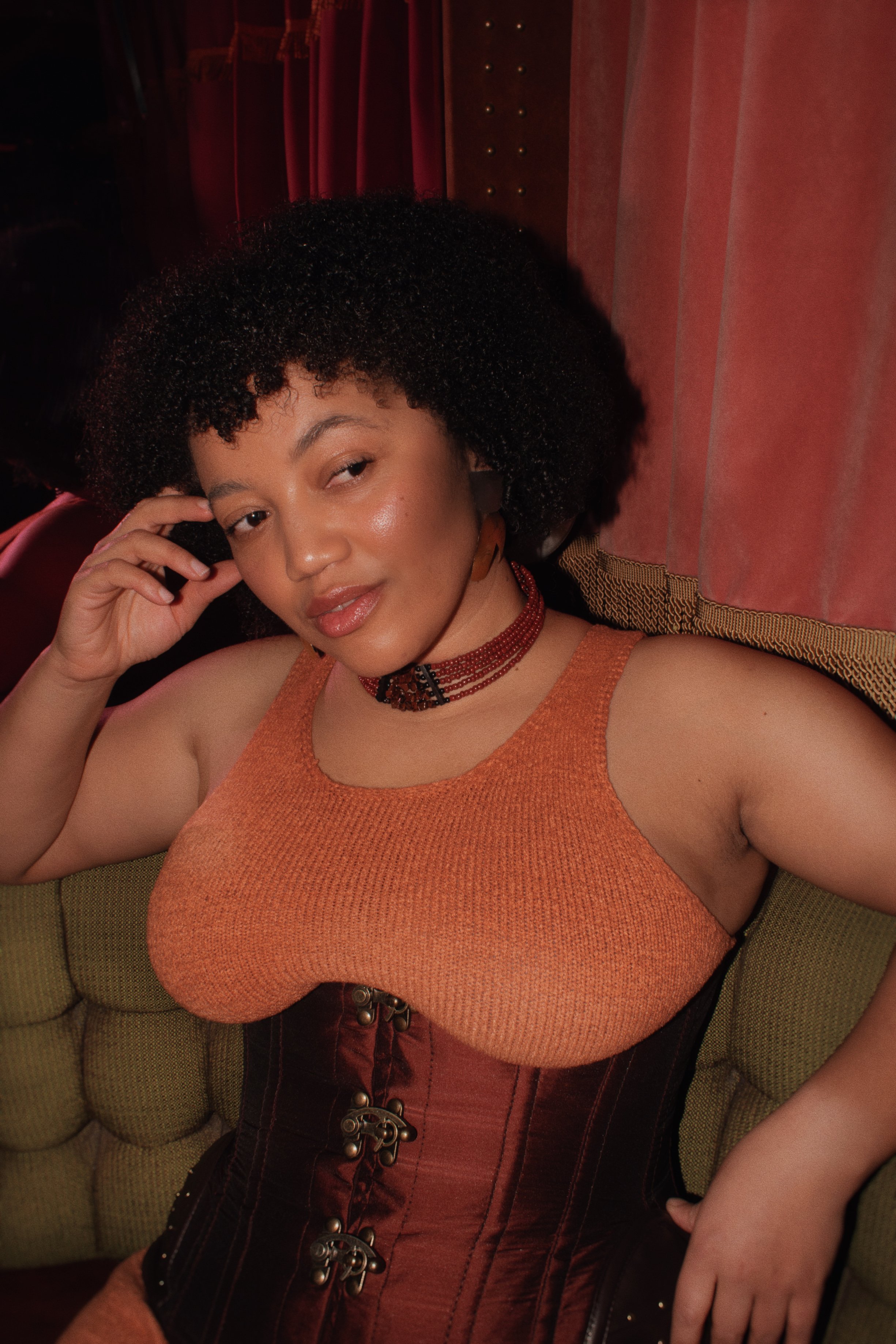
We walk up to the bar ordering a few more drinks next to a man in a long black fur coat, matching the aesthetics of New Zealand native, now Chicago resident, soprano Emily Mwila brought to HiLot in the East Village on a chilly Tuesday night in between her shows at Porgy & Bess at The Metropolitan Opera–corset, fur, and powerful platform knee high boots to be precise. Turns out our coated guest was an excellent segway into talking about Emily’s career with him being more of an opera buff than opera singers are used to in this world, but yet again, it is New York City. We exchange favorite operatic duets, Emily reveals she’s sung the Korean national anthem in Korea once upon a time, and he bids us adieu with good wishes and a promising gesture and number that if not himself, his friends will see Emily at The Met and send flowers. Not a bad way to start an interview with an artist on their night off.
Everything about Mwila’s story points to her being born for opera before she even knew. The stars have aligned for her in a way that can only be described as such from being discovered by who would become her artistic sponsor while busking in a small one hour window in a town she was normally never in, fast forwarding to now in the ensemble of Porgy & Bess at The Metropolitan Opera. I asked for the entire timeline and Mwila kindly obliged with her warm, calming, and welcoming presence she has, making one understand a little more why people want her in the room with them–she’s simply gravitating.
“I was praying about what to do with my life and I got this really strong conviction: don't get a job just sing on the street and focus on singing. Put everything into this and if it doesn’t work out it doesn’t.”
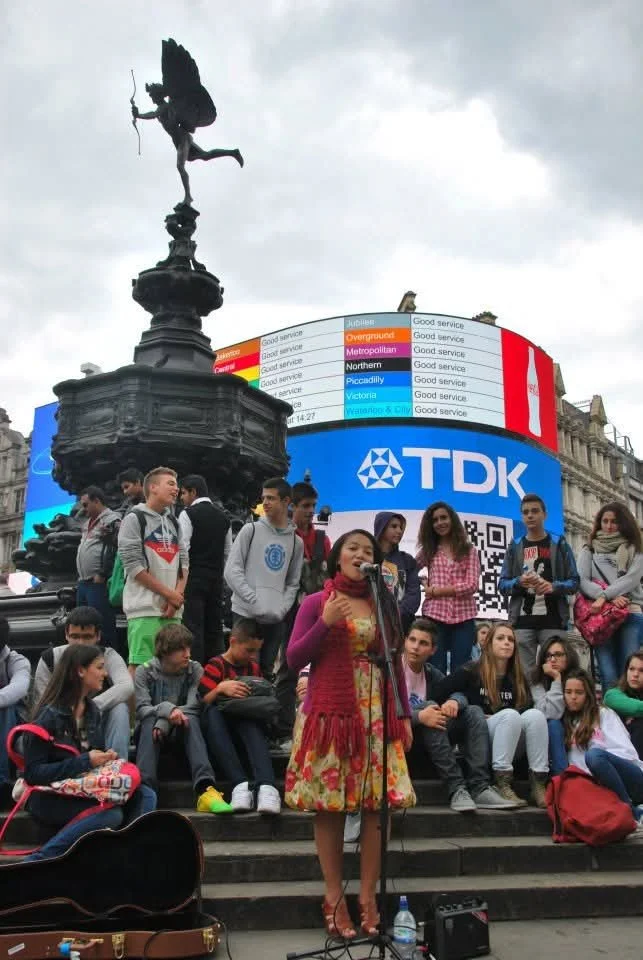
Mwila’s opera story begins in New Zealand studying languages for her degree while busking on the streets as introduced by her violinist aunt, singing mostly jazz and crowd pleasers like “Summertime” and “Hallelujah,” surprisingly not with any intentions to become an opera singer at the start. At that time she said she thought “I’m a nice singer, I did a bunch of competitions, but more people would stand out. So it was really a pipe dream even thinking about that. Especially if you’re not one of the golden children in the industry. If you're not one of the people that is chosen by whoever the opera people are in your country or area and you're not winning competitions and things… you just start to think I’m not it, but somehow I kept doing it.”
Slowly changing her busking style to classical music and opera while in school and taking private voice lessons, Mwila would continue busking as her full-time job after graduation for 5 years, paying all of her bills and being featured in numerous news articles for her street virtuoso, performing in an environment one wouldn’t first think would be successful and certainly not the “norm” for opera singing, however, Mwila not only earning financial and media support and attention through spectators, would find a special connection to opera, its relevancy, and the power of the voice in human connection. “I remember once I had this row of kids that sat down and crossed their legs or some other kids would start dancing, someone on a skateboard would come up, or someone would ask if it was a recording,” Mwila reminiscing on special shared moments while busking, “they just never had the chance to experience the voice in that way….it gave me the conviction that this art form is still relevant.”
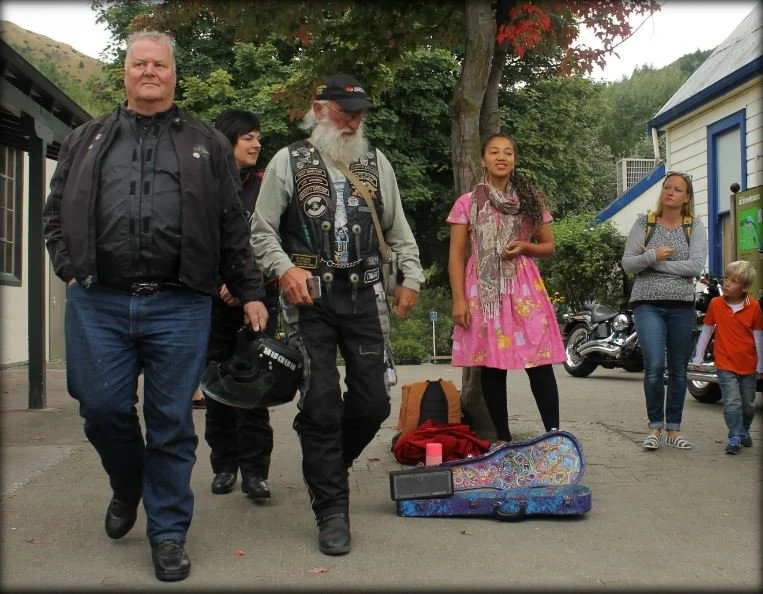
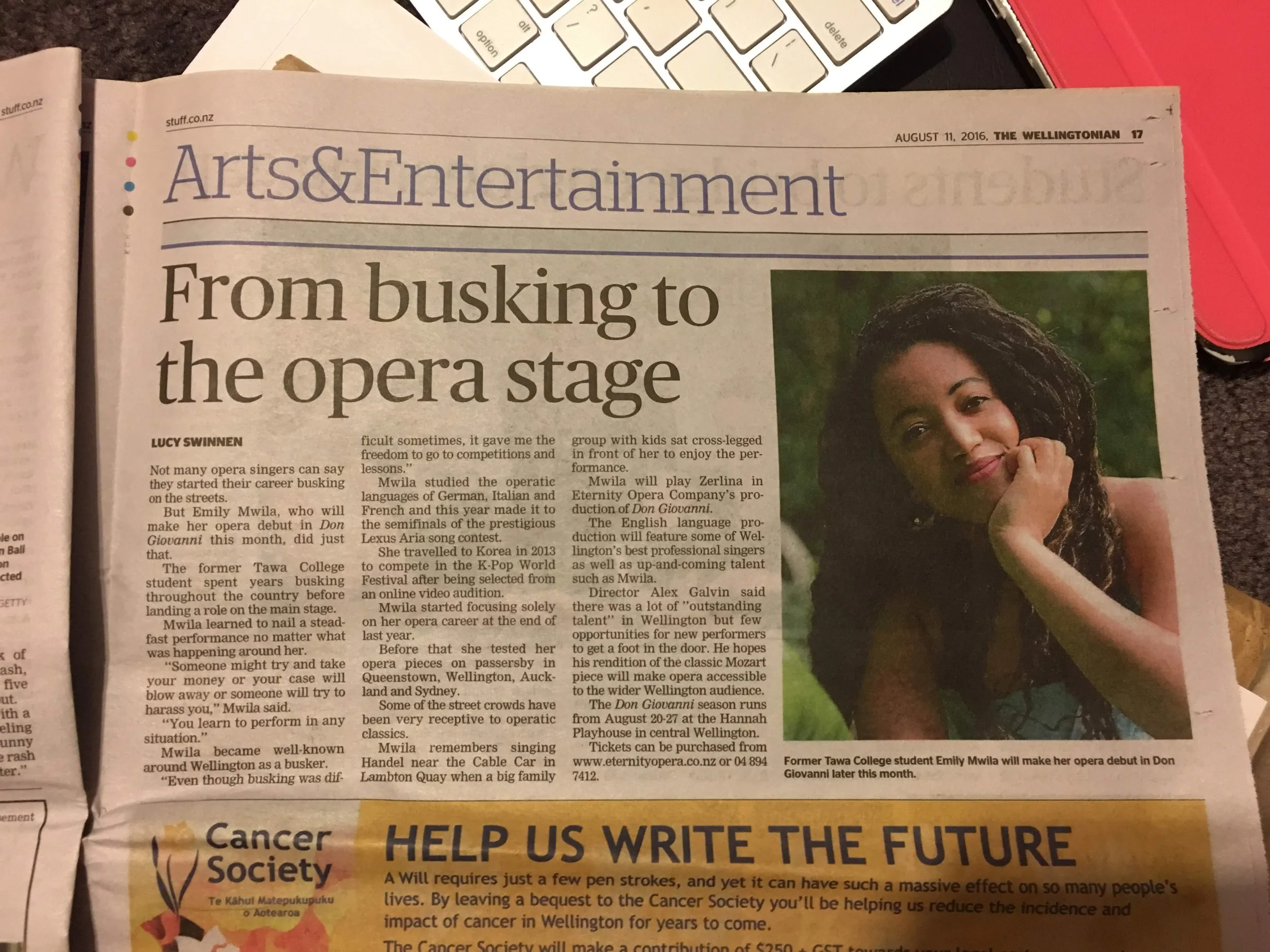
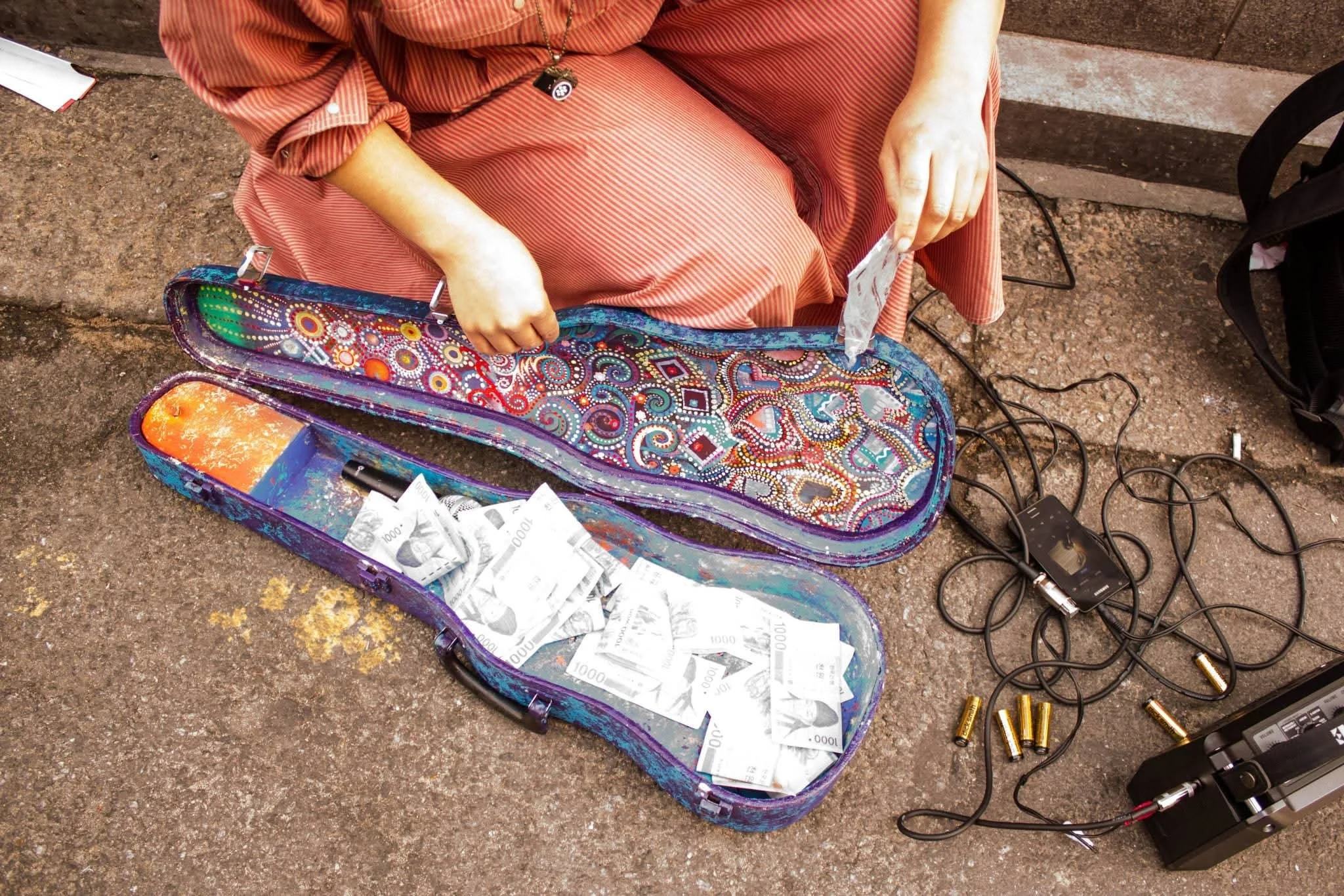
“They just never had the chance to experience the voice in that way….it gave me the conviction that this art form is still relevant.”
The real moment of serendipitous timing arrives while taking a trip to Queenstown, a town her aunt moved to, planning to busk as much as she could, handing out business cards and meeting who would become her artistic sponsor, reaching out after spotting her busking, fly her to Australia, and pay to sing for his 70th birthday with his family, soon after meeting once more over coffee with the purpose of foundational support for Mwila’s career saying as a long time opera lover and business man “I’ve heard a lot of opera singers in my life and I’d like help to make your dreams come true,” Mwila notes. Tuition fees, living costs, costs to get to the states, everything, adding, “I had someone that helped me when I was younger and now that I have the ability I want to do the same.”
At this point in her story it is apparent Mwila is just as struck by the timing and opportunity as I was asking how she felt when he said that responding “I was in a daze.” Further digging into the moment one can only describe as destiny I ask what he was doing in New Zealand. “That was the other crazy thing. One, not even in my home city. I was there for four days, the first time ever. He was visiting a timeshare he and his wife had for a few days and didn’t go again for another 7, 8 years, and happened to walk past me in the one hour I sang.”
A moment of destiny and perfect timing led to a career thus far that provided a graduate degree, performance at two top opera houses in the United States with The Metropolitan Opera and Lyric Opera of Chicago, and if you don’t believe in destiny with all that, she also won the the Green Card lottery during the pandemic allowing her to stay in the states and continue building upon her career (the U.S. Diversity Visa (DV) lottery only has 0.25% to 1% chance of winning).
“I wouldn’t be here at all without that,” Mwila referring to her sponsor that would fiscally sponsor her for 8 years.
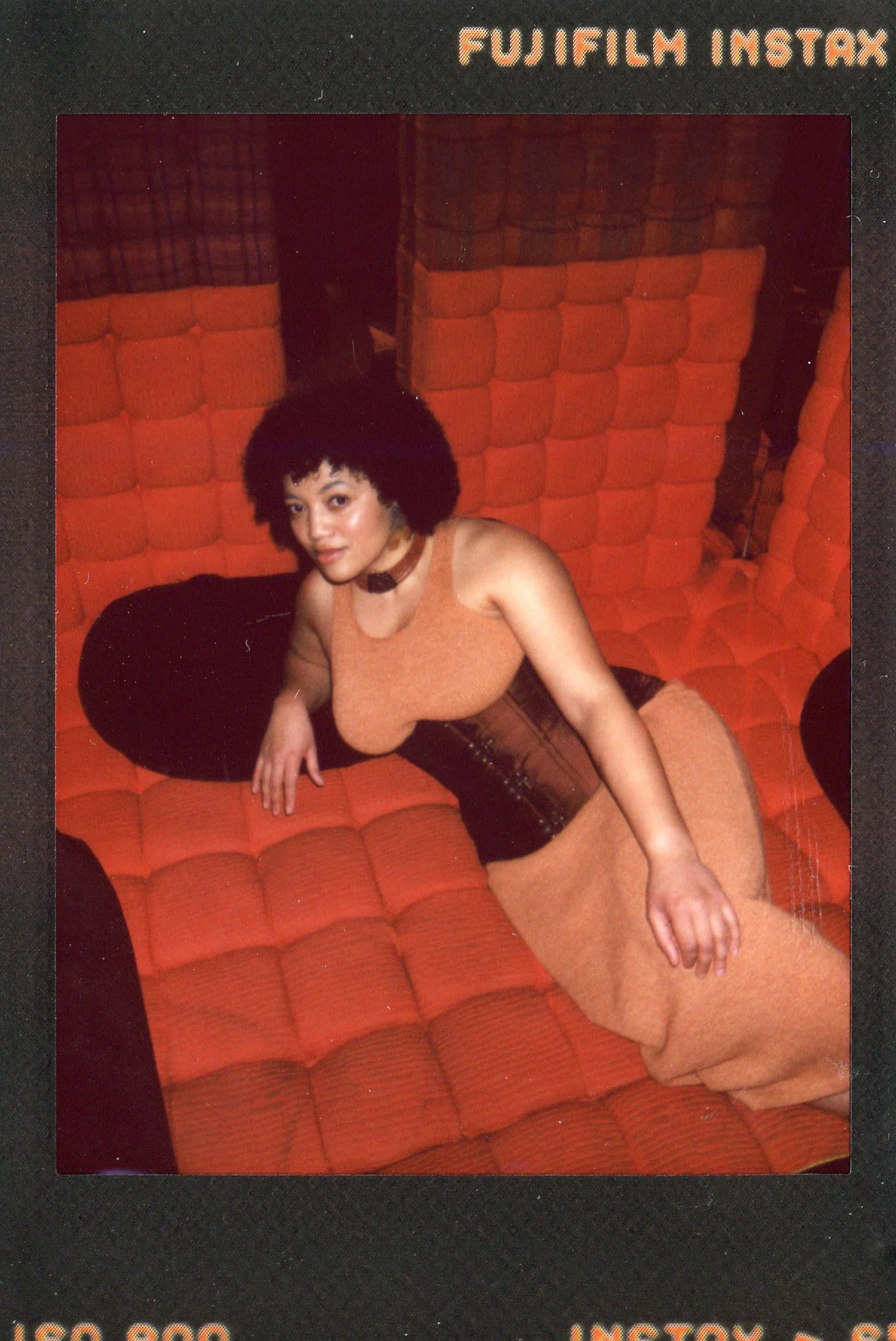
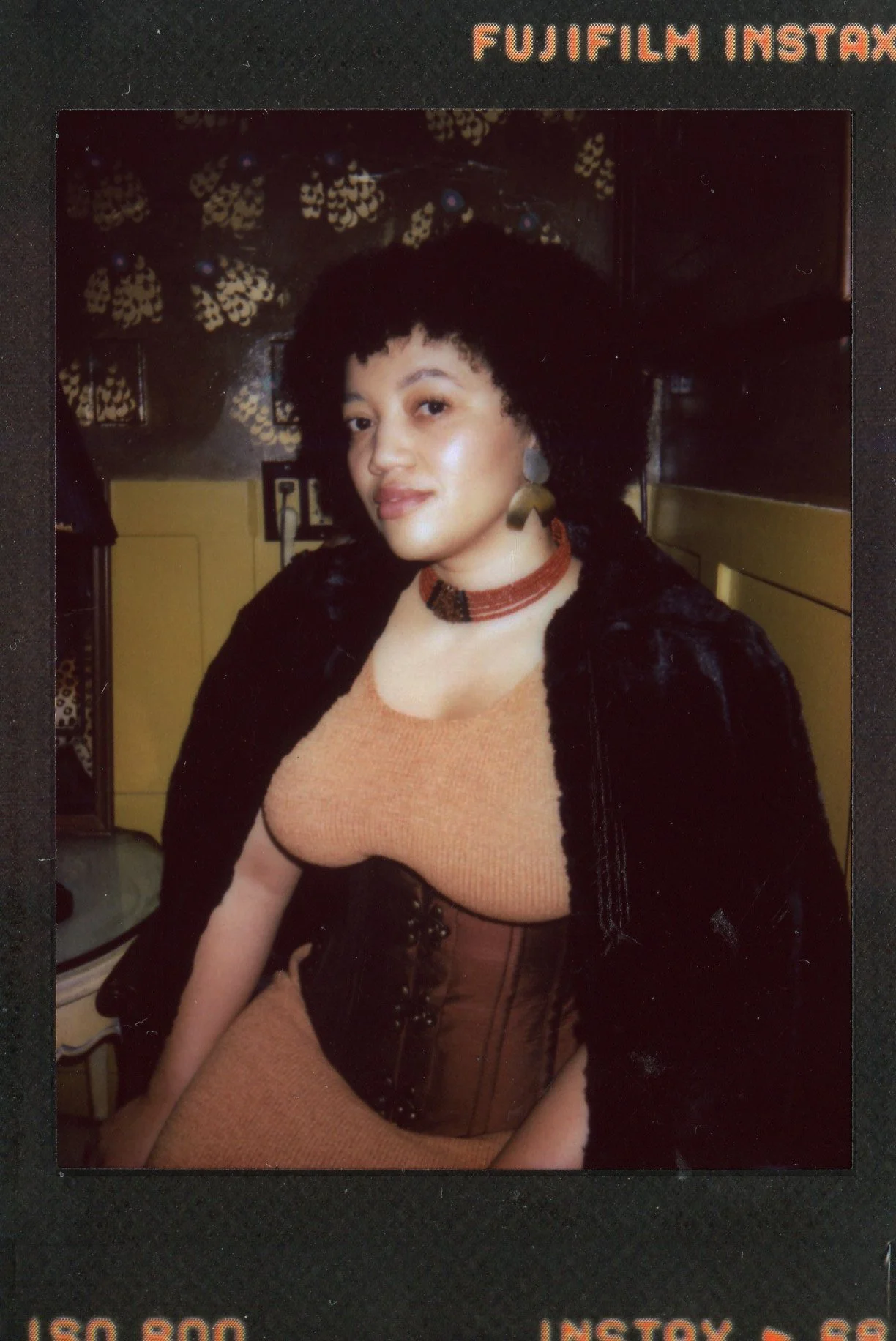
With Porgy & Bess at The Met Opera coming to a close with the last shows this week Thursday, January 22 and Saturday, January 24 (Sold Out) its a new journey ahead for Mwila after a fast track career from the last 8 years that now lends a moment to take stock of everything she’s accomplished thus far.
“Despite having been in this path for more than 20 years, it feels like this is the first time where I really made a conscious decision to trust myself and my instinct about my voice and about my singing and to really take ownership of that.”
We delve a little more into what it means to be present as an artist after years lined up of incredible opportunities and performances. I ask if being more present as an artist scares her and how it makes her feel after having your career thus far where she responds “I think it's exciting, it is a little scary but I think it's more exciting and it's more… I feel more grounded and not so concerned about the outcome and what people think because I’m learning to trust my own instinct and own ability to work and trust that I didn’t JUST get here because I was blessed and that there is something special and unique about my voice and is worthy of being heard. I have something to offer in this industry. I want to find those opportunities wherever they are.”
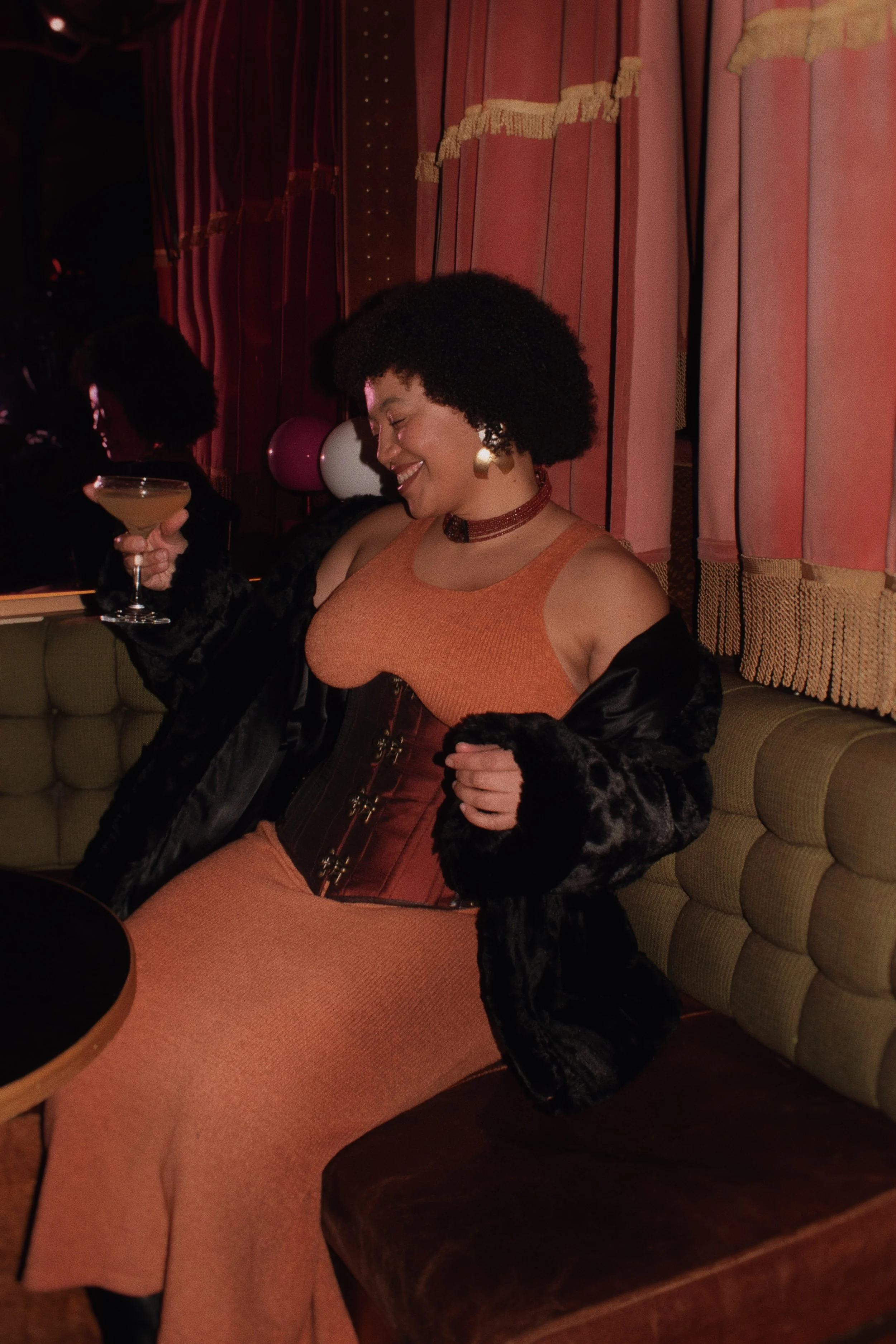
The next thing Mwila says for goals right now is incredibly relatable for anyone who has studied music, she responds, “Getting to know myself and my voice right now in the body I have right now. Committing to bel canto and actually practice runs. Practicing is so embarrassing. What does it look like if I commit to this scary aria.”
Practicing is so embarrassing is the best thing I could ever hear come out of an opera singer’s mouth. It's very honest while being incredibly funny. In one last question, because I can never help myself when it comes to artists and their aspirations I ask what are the dream of dreams to accomplish. Mwila responds “I mean I love Bach. I want to sing Bach cantatas with a really great ensemble. One of my big dreams, which I’m so bad at pursuing at the moment, but I want to translate the Marriage of Figaro to my Dad’s language and set it in Zambia.”
Featured: Emily Mwila
Writer: Karlye Whitt
Editor-in-Chief: Karlye Whitt
Photographer: Madison Paloski
Location: HiLot